
Rare Assets as Signals: What Collectibles and Hard-To-Source Markets Say About Risk Appetite
How Scarcity-Driven Markets Reveal Shifts in Investor Psychology and Global Risk Sentiment

Rare assets are more than just exotic portfolio components. Their trading activity often mirrors the emotional and financial temperature of the market.
Whether it’s a rush toward gold during economic uncertainty or a boom in vintage watch auctions during bull markets, rare assets can act as early indicators of investor sentiment.
As an expert in commodities and global trading, I’ve seen how rare asset trends often precede broader market shifts. Understanding these movements can offer investors a powerful lens into the psychology behind capital flows.
In this article, we’ll break down the role of rare assets in signaling global market behavior. You’ll learn:
- What rare assets are and how they differ from traditional financial instruments.
- The key classifications of rare assets, including tangible and intangible types.
- How activity in rare asset markets reflects risk-on or risk-off investor behavior.
- Real-world examples from collectibles, precious metals, and rare-earth materials.
- The operational challenges and strategies involved in rare asset management.
What Are Rare Assets?
Rare assets are defined by their scarcity, high economic value, and unique characteristics that set them apart from more common financial instruments. These are not easily replaceable or replicable and often require specialized knowledge to manage or appraise.
Defining Rare Assets
Rare assets can include everything from precious metals and rare-earth elements to fine art, intellectual property, and natural resources such as forest land.
What unites them is their limited supply and the difficulty in assigning a standardized value. Their appeal often increases during periods of economic instability or speculative optimism.
Some common examples include:
- Gold, silver, and platinum.
- Rare-earth elements such as neodymium and dysprosium.
- Collectibles such as vintage wine, art, and rare coins.
- Intellectual property such as exclusive patents or copyrights.
- Natural assets such as forests, quarries, and mineral rights.
Rare Asset vs. Common Asset
Unlike equities, bonds, or mutual funds, rare assets do not trade on centralized exchanges and often lack daily price transparency. They tend to be illiquid, meaning they cannot be easily bought or sold without affecting their value.
Their valuation depends heavily on expert appraisal, market demand, and sometimes even sentiment or cultural relevance.
Categories of Rare Assets
Understanding the types of rare assets helps clarify how they behave under different market conditions. These can be broadly categorized into tangible, intangible, and natural or wasting assets.
Tangible Rare Assets
These physical assets have intrinsic value and are often collected or held for their appreciation potential.
- Precious Metals: Gold, silver, platinum, and palladium are valued for their rarity and use in both investment and industry. Gold in particular is viewed as a hedge against inflation and currency devaluation.
- Rare-Earth Elements: Metals such as neodymium and dysprosium are critical in manufacturing electronics and defense systems. Their supply is concentrated geographically, making them strategically important.
- Collectibles: Items such as art, stamps, vintage wine, and rare books are valued for their uniqueness. These are typically high-net-worth investments and may deteriorate over time, classifying some as wasting assets.
Intangible Rare Assets
These are non-physical assets that often provide a competitive or financial edge.
- Intellectual Property: Patents, copyrights, and trademarks can be extremely valuable in sectors such as technology and pharmaceuticals.
- Specialized Financial Instruments: These may include rare financial contracts or rights that are not widely available or traded.
Natural and Wasting Assets
These assets include natural resources that may degrade or be consumed over time.
- Forests and Peatlands: Increasingly recognized for their ecological value, these are now investable through vehicles such as Natural Asset Companies (NACs).
- Quarries and Mines: These provide resources but are depletable, making them both valuable and time-sensitive.
Rare Assets and Global Market Signals
Rare assets often serve as financial thermometers. Their market activity reflects shifts in investor sentiment and broader economic conditions.
Risk-on Behavior and Collectibles
When investors are optimistic, they tend to allocate more capital to collectibles and luxury items. This is typically during bull markets or periods of economic expansion. Rising prices in fine art, classic cars, and rare wines often coincide with increased equity market activity.
For instance, art auctions tend to report record-breaking sales during periods of low interest rates and high market liquidity. These moments signal a willingness among investors to take on higher risk in search of unique returns.
Risk-Off Behavior and Precious Metals
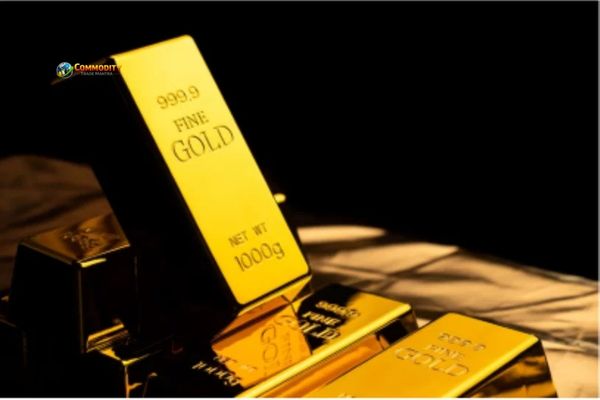
During economic downturns or geopolitical instability, investors often turn to gold and silver. These metals are viewed as safe havens that preserve value when other assets falter.
Gold saw dramatic price increases during the 2008 financial crisis and again in 2020 during the COVID-19 pandemic. Its movement tends to correlate with fear-driven capital reallocation, making it a clear indicator of risk-off behavior.
Rare-Earth Metals and Strategic Positioning
Rare-earth elements such as neodymium are essential for technologies including electric vehicles and military hardware. Their prices often reflect manufacturing and geopolitical trends.
When global supply chains are under stress or countries move to secure critical minerals, these metals see spikes in demand and price. Their performance can signal strategic shifts in industrial policy and global trade positioning.
Investment Role of Rare Assets
Rare assets offer more than just market signals. They play distinct roles in portfolio construction and wealth preservation.
Inflation Hedge and Store of Value
Rare assets such as gold and natural resources are often used to protect against inflation and currency depreciation. Their value tends to rise when fiat currencies lose purchasing power.
Portfolio Diversification
Since rare assets often have low correlation with traditional investments such as stocks and bonds, they can add stability to a diversified portfolio. This is particularly useful in volatile markets.
High-Net-Worth and Family Office Use
Wealthy individuals and family offices frequently use rare assets to preserve intergenerational wealth. Items such as fine art, rare books, and land often remain in families for decades, serving both as investments and legacy assets.
Rare Asset Management and Operational Challenges
Managing rare assets involves a unique set of challenges that traditional asset portfolios do not face.
Valuation and Liquidity Constraints
Rare assets are difficult to price due to their uniqueness. There is often no active secondary market, which limits liquidity and can complicate portfolio rebalancing.
Custodial and Legal Oversight
Ownership of rare assets requires clear documentation, especially in trust and estate contexts. Legal oversight ensures that these assets are transferable and that fiduciary responsibilities are met.
Physical Security and Preservation
Physical rare assets must be stored securely and maintained properly. Fine art, for example, may require climate-controlled environments, while vintage wine needs specific humidity and temperature conditions. Insurance is also critical to protect against loss or damage.
Rare Assets vs. Toxic Assets
Rare assets are often misunderstood as risky simply because they are illiquid. It’s important to differentiate them from toxic assets.
Defining Toxic Assets
Toxic assets are financial instruments that have become illiquid and lost value, often due to systemic issues. A prime example is the mortgage-backed securities that collapsed during the 2008 financial crisis. These lacked a functioning secondary market and became nearly impossible to sell.
Why Rare Assets Retain Value
Rare assets retain value due to their intrinsic qualities, scarcity, and enduring demand. Unlike toxic assets, they are not products of financial engineering but are instead grounded in tangible or intellectual scarcity. Over time, many rare assets appreciate, particularly when managed properly.
Regulatory Developments and Market Evolution
New investment structures and technologies are reshaping how rare assets are managed and traded.
Natural Asset Companies (NACs)
NACs are designed to turn natural ecosystems into investable entities. Forests or wetlands, for instance, can now be monetized through ecosystem services such as carbon retention or pollination. These companies offer a blend of environmental and financial returns.
Future Trends in Alternative Asset Investment
Rare assets are gaining relevance in areas such as ESG investing and digital tokenization. Blockchain-based platforms are beginning to fractionalize ownership of rare art and collectibles, making them more accessible to a wider range of investors.
Reading Rare Assets To Understand Market Behavior
Rare assets do more than diversify portfolios. Their movement offers a unique window into investor psychology. When capital flows into collectibles, it often signals growing confidence. When it retreats into gold and silver, caution is taking hold.
Understanding rare asset behavior provides valuable context for interpreting capital allocation trends across global markets. With the right insight, investors can use these signals to better time their decisions, hedge risk, and position for future growth.
References
